Discover Raja Ampat snorkeling from October to April, with mantas visible December to March at sites like Manta Sandy and Cape Kri.
Why Choose Raja Ampat for Snorkeling?
Raja Ampat, a stunning archipelago in Indonesia’s West Papua province, is celebrated for its incredible marine biodiversity. Snorkeling here immerses you in an underwater world teeming with life, from vibrant coral gardens to majestic manta rays. A well-planned island-hopping tour ensures you experience the best of Raja Ampat’s lagoons and reefs.
Top Raja Ampat Snorkeling Sites
Manta Sandy & Manta Ridge
Located in the Dampier Strait, these sites are renowned for manta ray encounters. December to March is the prime season when mantas frequent the cleaning stations here, offering snorkelers a truly magical experience.
Cape Kri
Known for the highest recorded marine biodiversity, Cape Kri on Kri Island provides gentle slopes ideal for snorkeling. Divers and snorkelers alike are enchanted by its rich array of species.
Yiliet Beach / Baby Shark Beach
Situated in Misool, this site is a nursery for baby blacktip reef sharks. The combination of white sandy beaches and palm trees makes it a picturesque snorkeling destination.
Batu Rufus
Famous for its stunning coral walls and panoramic views, Batu Rufus in Piaynemo is a must-visit for snorkelers seeking diverse marine life and striking scenery.
Sauwandarek Jetty
This easily accessible reef near Sauwandarek Village in the Dampier Strait is home to turtles and reef sharks, making it perfect for both beginners and seasoned snorkelers.
Aljui Channel
Considered one of the healthiest reefs in Raja Ampat, the Aljui Channel offers sightings of wobbegong sharks and a variety of nudibranchs. Its relative remoteness means fewer tourists, preserving its pristine condition.
Arborek Jetty
Popular for its vibrant marine life, including giant turtles and reef sharks, the Arborek Jetty offers an exciting snorkel experience. Learn more about Arborek Village Tour opportunities.
Best Season & Manta Timing
Dry Season
The best time to visit Raja Ampat for snorkeling is from October to April, when the waters are calm and visibility is at its peak.
Manta Season
Manta rays are most visible from December to March, particularly at Manta Sandy and Dayang Island, making these months ideal for manta enthusiasts.
Year-round Access
While conditions vary, all snorkeling sites are accessible year-round, offering diverse marine experiences whenever you visit.
Liveaboard Options
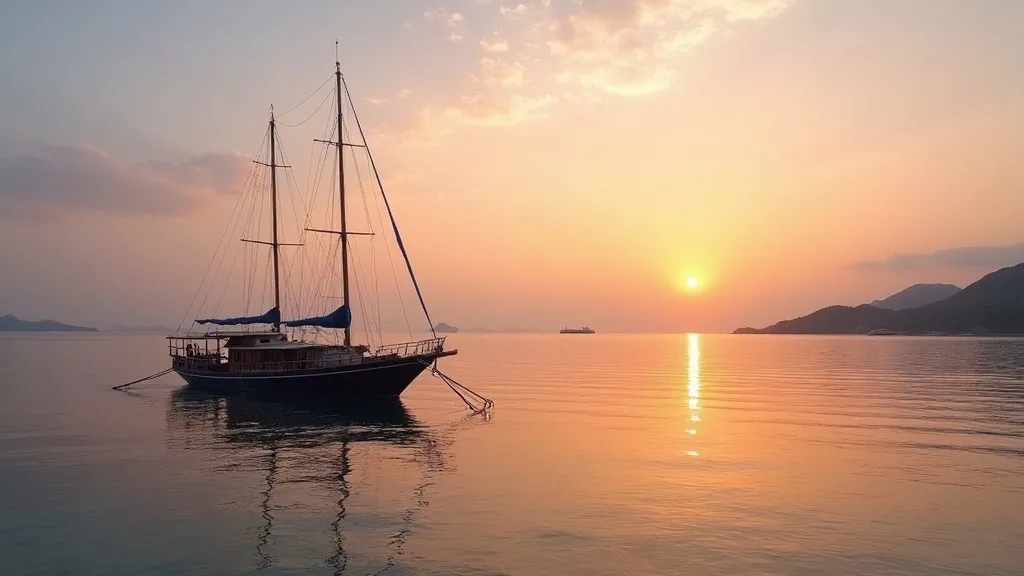
Exploring Raja Ampat aboard a liveaboard offers a comprehensive snorkeling experience. These phinisi yachts, available for durations from 3 days to 11 days, provide ensuite cabins, a crew, chef, dive deck, and up to four snorkeling sessions per day.
- Typical trip durations range from 7½ to 9½ days.
- Routes often cover Misool and the Dampier Strait.
- Inclusions: port fees, marine park permit, fuel surcharge.
- Exclusions: international flights, snorkel gear, alcohol, laundry, spa treatments.
For more details on liveaboard itineraries, explore our Raja Ampat Snorkeling Tour options.
Costs & Permits
Visitors must obtain a Raja Ampat Marine Park Entry Permit, which costs IDR 700,000 (~USD 45) and is valid for 12 months. This can be purchased online or at the BLUD UPTD office in Waisai.
Travel Logistics
To reach Raja Ampat, fly to Sorong Airport (SOQ) in West Papua, then take a speedboat to Waisai, a journey of approximately 2.5 to 3 hours. Alternatively, for those combining their trip with Komodo, fly to Labuan Bajo (LBJ).
Marine Life Highlights
Raja Ampat is home to 65% of the world’s known coral species, offering snorkelers a vibrant and diverse underwater landscape. Common sightings include giant turtles, reef sharks, manta rays, and nudibranchs.
Komodo National Park Adventures
Combine your Raja Ampat journey with a trip to Komodo National Park, famous for its Komodo dragons and pristine marine environments. Explore sites like Batu Bolong and Manta Alley, known for their vibrant coral reefs and abundant marine life.
Conservation Efforts
Recent conservation initiatives in Raja Ampat and Komodo focus on protecting marine biodiversity and promoting sustainable tourism. These efforts ensure that both regions remain ecological havens for future generations.
2026 Update
As of 2026, Raja Ampat continues to be a leading destination for snorkelers worldwide. Recent conservation efforts have maintained the health and diversity of its marine ecosystems, ensuring a sustainable future for this underwater paradise.
For personalized itineraries and expert guidance, plan your Raja Ampat tour on WhatsApp today.