Best Time for a Raja Ampat Tour
Experience the best of Raja Ampat from October to April with our comprehensive liveaboard guide. Discover manta ray hotspots, key logistics, and travel tips for 2026.
Updated 3 min read

In this story
The best time for a Raja Ampat tour is from October to April, with peak manta ray sightings occurring between December and March. Plan your adventure now!
Why October to April is Ideal
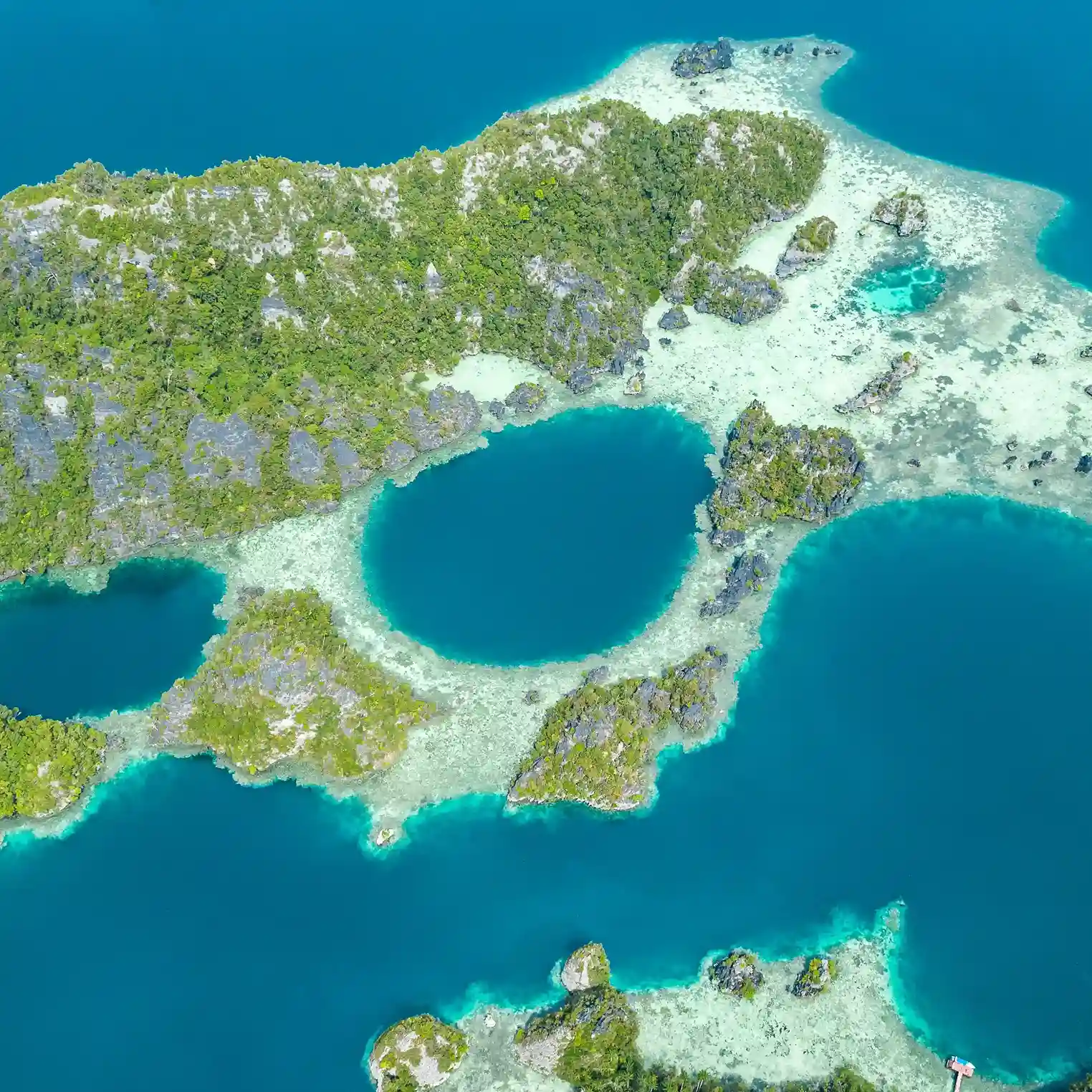
Raja Ampat’s peak season, from October through April, offers the most serene sea conditions, making it the perfect time for both island hopping and snorkelling adventures. The period is marked by warm weather, moderate rainfall, and calm seas, which are perfect for exploring the region’s stunning lagoons and vibrant coral reefs.
Manta Ray Season: December to March
If swimming alongside majestic manta rays is on your bucket list, aim for a visit between December and March. During these months, the waters of Raja Ampat become a playground for these gentle giants. Key sites such as Manta Sandy and Manta Point offer thrilling encounters.
Notable Dive and Snorkel Spots
- Wayag: Famous for its picturesque karst landscapes.
- Misool: Known for its biodiversity and dramatic underwater topography.
- Dampier Strait: Offers one of the highest marine biodiversity rates in the world.
- Cape Kri: Renowned for its record-breaking fish diversity.
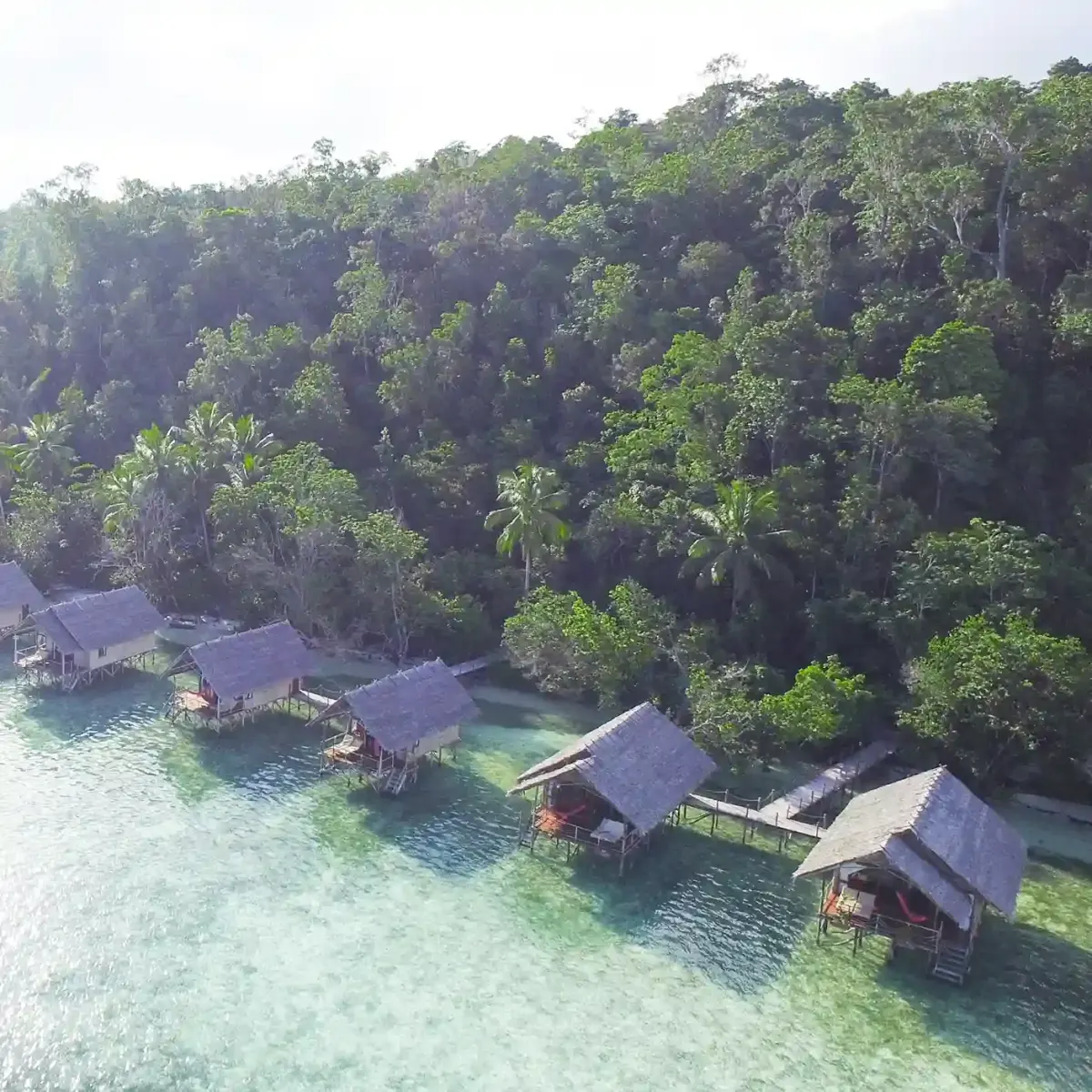
- Arborek: A delightful island perfect for snorkelling and cultural experiences.
- Piaynemo: Offers striking panoramic views of the surrounding islands.
Planning Your Trip: Key Logistics
Visitors should enter Raja Ampat via Sorong Airport (SOQ) in West Papua. From there, it’s a 2.5 to 3-hour speedboat journey to Waisai, the starting point to the islands. Ensure you have secured a Raja Ampat Marine Park Entry Permit, which costs IDR 700,000 (~USD 45) for international visitors and is valid for 12 months.
Entry Costs and Requirements
In addition to the marine park permit, international visitors must pay a mandatory per-visit tourism tax of IDR 300,000. Thus, the total entry cost for a foreign visitor is IDR 1,000,000 (~USD 65). Children under 12 years do not require a permit.
Liveaboard Options for Extended Explorations
For those keen on immersing themselves fully in the marine wonders of Raja Ampat, liveaboard experiences on traditional phinisi boats are a popular choice. These trips range from 3 days and 2 nights to 11 days and 10 nights, featuring ensuite cabins, full crew services, and dedicated dive decks.
Liveaboard Considerations
- Confirm pricing as it varies by operator and season.
- Ensure your diving certification meets site requirements, typically Open Water with a minimum Deep certification.
For more on liveaboard options, explore our Raja Ampat Island Hopping Tour.
2026 Update: Travel Tips and Trends
As of 2026, Raja Ampat continues to see an increase in eco-friendly tourism initiatives, ensuring the protection of its delicate marine ecosystems. Visitors are encouraged to respect local customs and engage in sustainable practices during their stay.
Conclusion & Next Steps
Starting on a Raja Ampat tour during the optimal months of October to April promises an unforgettable experience filled with extraordinary marine life and stunning natural beauty. If you’re diving in the vibrant reefs or enjoying a leisurely island hop, careful planning ensures you make the most of your journey.
Ready to explore? Plan your Raja Ampat tour on WhatsApp and start your adventure.