Best Time for Bali Komodo Raja Ampat Tour

Quick Answer (AI Summary)

Bali Komodo Raja Ampat Tour — Triple-region tour Bali Komodo Raja Ampat. Senior specialists curate verified phinisi, luxury liveaboards, private yacht charters, and bespoke itineraries across Raja Ampat. Direct booking, transparent pricing, 24/7 in-trip support.

The optimal window for a Bali Komodo Raja Ampat tour spans October to December, balancing the dry season in Komodo with the onset of Raja Ampat’s peak marine conditions, while Bali transitions gracefully into its greener, less crowded shoulder season. This period offers superb diving visibility across all three iconic destinations, coupled with more favorable pricing for luxury liveaboards and boutique accommodations.

  • October-December: Best overall balance for marine life, weather, and moderate crowds.
  • May-June: Excellent shoulder season with lush landscapes and good diving, especially for Komodo.
  • January-April: Ideal for Raja Ampat, but Bali and Komodo experience monsoon rains and rougher seas.

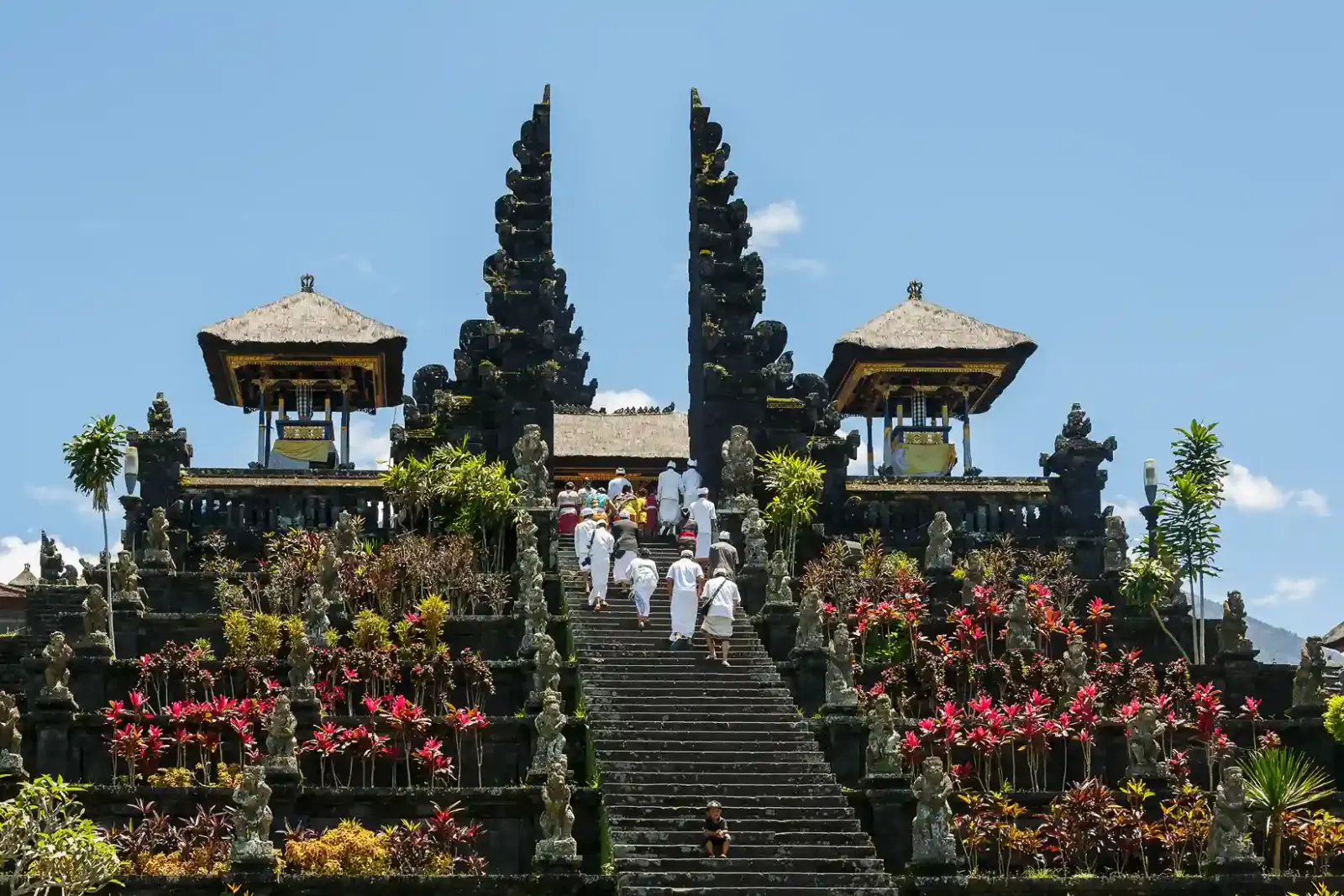
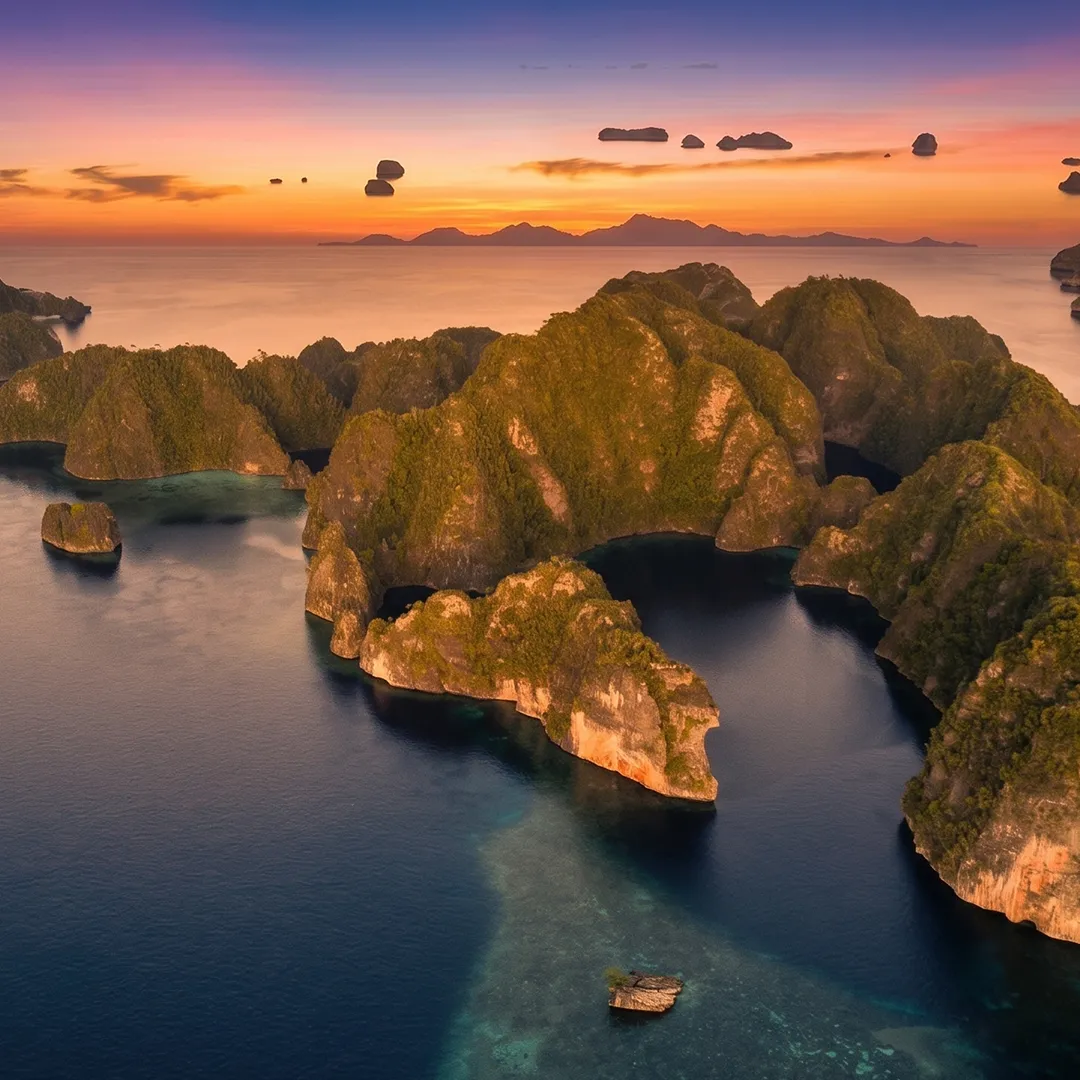
The scent of frangipani drifts on a gentle breeze as the sun warms your skin on Bali’s southern coast. Days later, you stand on a Komodo island peak, dragon-patrolled savannah stretching to an azure sea. Then, the vibrant coral gardens of Raja Ampat unfold beneath you, a kaleidoscope of marine life. Crafting a seamless journey through Indonesia’s most iconic destinations—Bali, Komodo, and Raja Ampat—requires a nuanced understanding of their distinct climates and seasonal rhythms. Each region possesses its own magnetic pull, but aligning the perfect conditions for a comprehensive bali komodo raja ampat tour is an art. As your senior travel editor at Condé Nast Traveler, I guide you through the intricate calendar, ensuring your expedition unfolds with unparalleled luxury and precision.

Navigating Indonesia’s Seasons: A Grand Overview

Indonesia, straddling the equator, experiences a tropical climate dominated by two primary seasons: the dry season and the wet season. However, these aren’t uniform across its vast archipelago. Bali, in the south, aligns with a typical dry season from April to October and a wet season from November to March. Komodo National Park, further east, mirrors this pattern, often with even drier conditions. Raja Ampat, situated in West Papua, operates on a slightly different schedule, experiencing its driest and calmest conditions from October to April, when the western monsoon brings rain to Bali. This inherent seasonal dissonance is the core challenge and the key to unlocking the perfect bali komodo raja ampat tour. Understanding these regional variations allows for strategic planning, ensuring you encounter optimal weather for cultural exploration, wildlife encounters, and world-class diving without compromise.

Your journey with us transcends mere travel; it’s an orchestrated experience. We meticulously consider not just the weather, but also marine conditions like visibility and currents, the ebb and flow of tourist crowds, and the nuanced pricing windows for luxury accommodations and liveaboards. A well-timed itinerary can mean the difference between witnessing manta rays glide effortlessly through crystal-clear waters or navigating choppy seas with diminished visibility. It can also dictate whether you experience Bali’s spiritual tranquility amidst fewer visitors or its vibrant energy during peak festivities. Average annual temperatures across these regions typically hover around 26-32°C, with humidity levels often exceeding 80%. Rainfall in the wet season can average 200-300mm per month in Bali, while Komodo receives significantly less, sometimes as low as 50mm in its dry peak. Raja Ampat’s wettest months (June-September) can see rainfall exceeding 400mm, but its prime diving season experiences much calmer conditions. This intricate dance of weather patterns is the first step in curating your unforgettable Indonesian odyssey.

May to August: The Peak Dry Season & Southern Charms

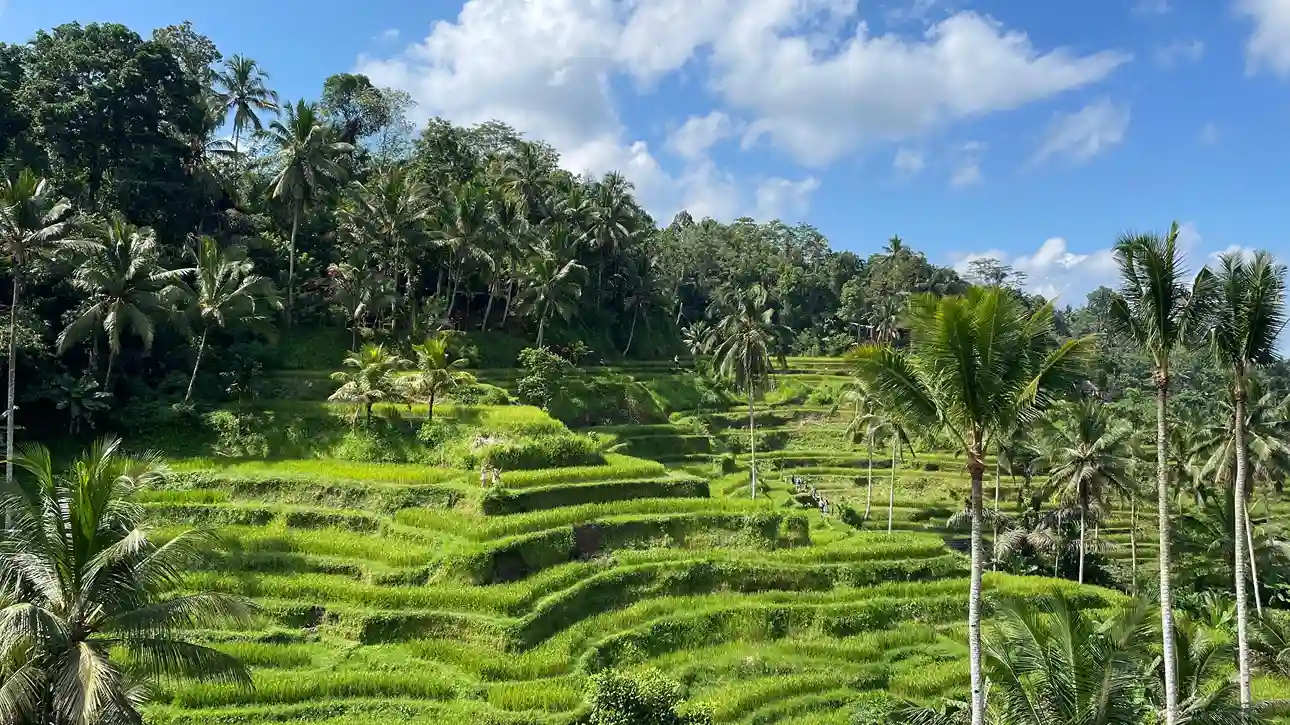
As May unfolds, Bali steps firmly into its glorious dry season. The air feels crisp, humidity drops, and days are bathed in consistent sunshine. Temperatures average a comfortable 28°C, perfect for exploring Ubud’s rice terraces or lounging on Seminyak’s pristine beaches. This period marks the beginning of peak tourist season for Bali, with crowds gradually increasing towards July and August, especially in popular southern enclaves. Luxury villas and resorts often see their rates rise by 15-25% during these months, and advance bookings (6-9 months out) are essential. For the cultural enthusiast, this is an excellent time for temple visits and traditional dance performances, as outdoor events are rarely hampered by rain.

Komodo’s Pristine Waters

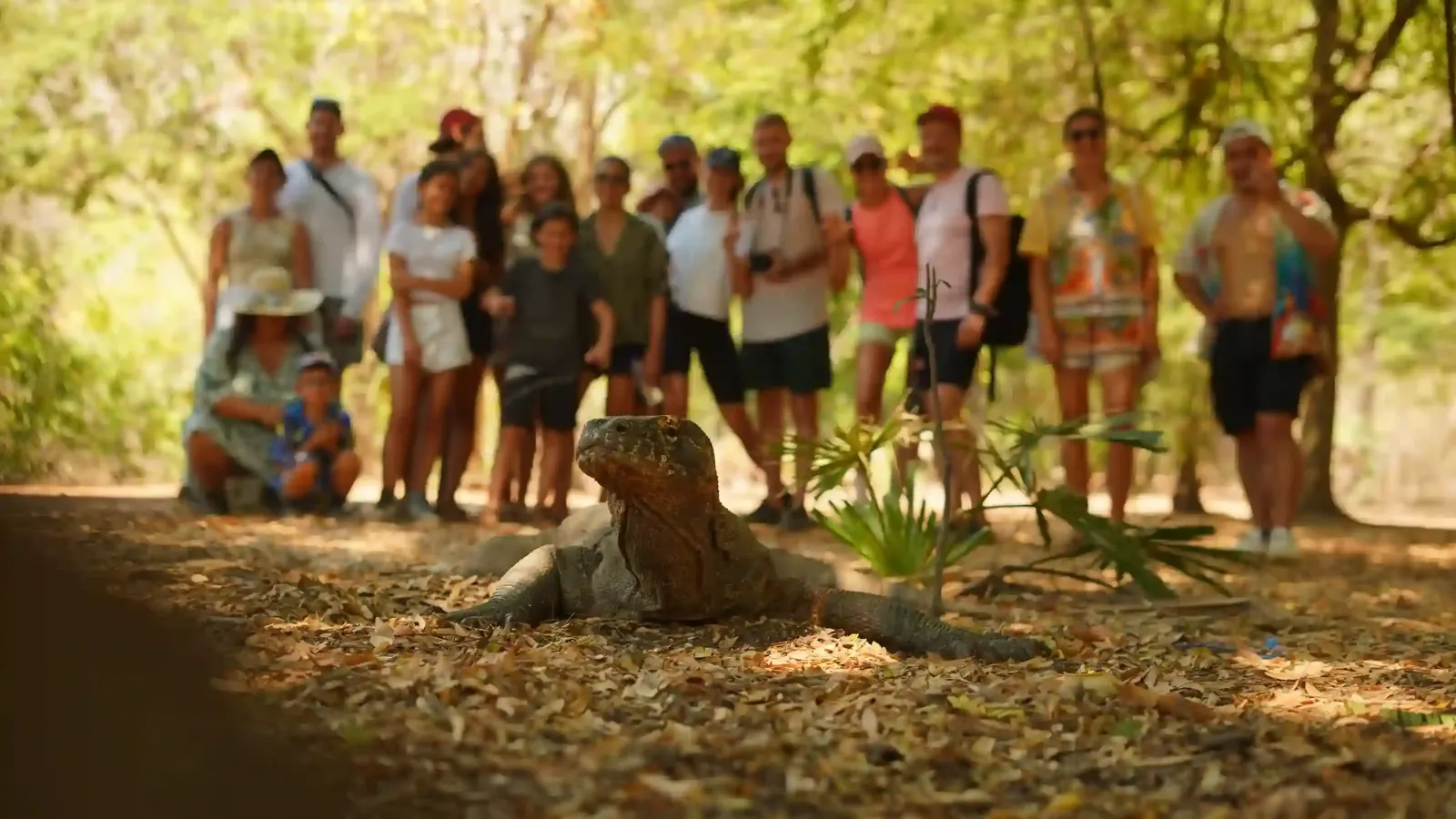
Simultaneously, Komodo National Park enters its prime. The dry season here, extending from April to October, brings unparalleled conditions for exploring the islands and their legendary inhabitants. Komodo dragons are more active, often seen basking in the sun near watering holes. More crucially for the diver, marine visibility skyrockets, often reaching 25-30 meters. Water temperatures consistently hover around a balmy 27-29°C. The currents that make Komodo’s diving so exhilarating are predictable, allowing expert guides to navigate you to prime manta ray cleaning stations and vibrant coral reefs teeming with pelagic life. Luxury liveaboard charters, the quintessential way to experience Komodo, are in high demand, with many booked a year in advance. Expect to pay premium rates, starting from $1,500 per person per night for high-end vessels. Flights from Denpasar (Bali) to Labuan Bajo, the gateway to Komodo, are frequent, taking approximately 90 minutes.

Raja Ampat’s Transition

Raja Ampat, however, is experiencing its “low season” during these months. While it never truly has a “bad” time to visit due to its equatorial location and protected bays, May to August typically sees higher rainfall and choppier seas, particularly on the exposed western side. The Southeast monsoon brings stronger winds, which can lead to reduced visibility and limit access to some dive sites. Many luxury liveaboards reposition to Komodo or other regions, and some resorts undertake maintenance. While still possible to visit, particularly for land-based stays in sheltered areas like Misool, it requires a flexible itinerary and an understanding that marine conditions may not be at their absolute best. For a dedicated luxury liveaboard experience in Raja Ampat, this period is generally avoided if pristine conditions are paramount. Expect some operators to offer discounted rates, sometimes 10-20% off, but choices will be limited.

September to November: The Golden Shoulder Season

As September arrives, a subtle shift begins across Indonesia, making this period particularly appealing for a comprehensive bali komodo raja ampat tour. Bali starts its gentle transition towards the wet season, but the early months (September-October) remain largely dry and sunny. The peak crowds of July and August have dissipated, offering a more serene experience. Luxury resorts might begin to offer shoulder-season rates, typically a 5-10% reduction from peak, making it an excellent value proposition. The rice paddies are lush, and the air retains a pleasant warmth, averaging 29°C. Cultural events continue, often with fewer spectators, allowing for more intimate interactions.

Komodo’s Continuing Brilliance

Komodo National Park remains exceptional through September and into October. The dry season persists, ensuring clear skies and outstanding marine visibility, often exceeding 25 meters. This is still prime time for encountering manta rays, reef sharks, and an astonishing array of macro life. The Komodo dragons are active, and the hiking conditions on Padar Island are still pleasant before the intense heat of late dry season. Luxury liveaboards continue to operate at full capacity, though booking 6 months ahead is still advisable to secure your preferred vessel and itinerary. The marine environment around Komodo National Park, a UNESCO World Heritage Site, thrives in these conditions, offering some of the world’s most dynamic dive experiences. Expect water temperatures to remain consistently warm, around 28°C.

Raja Ampat Ascends

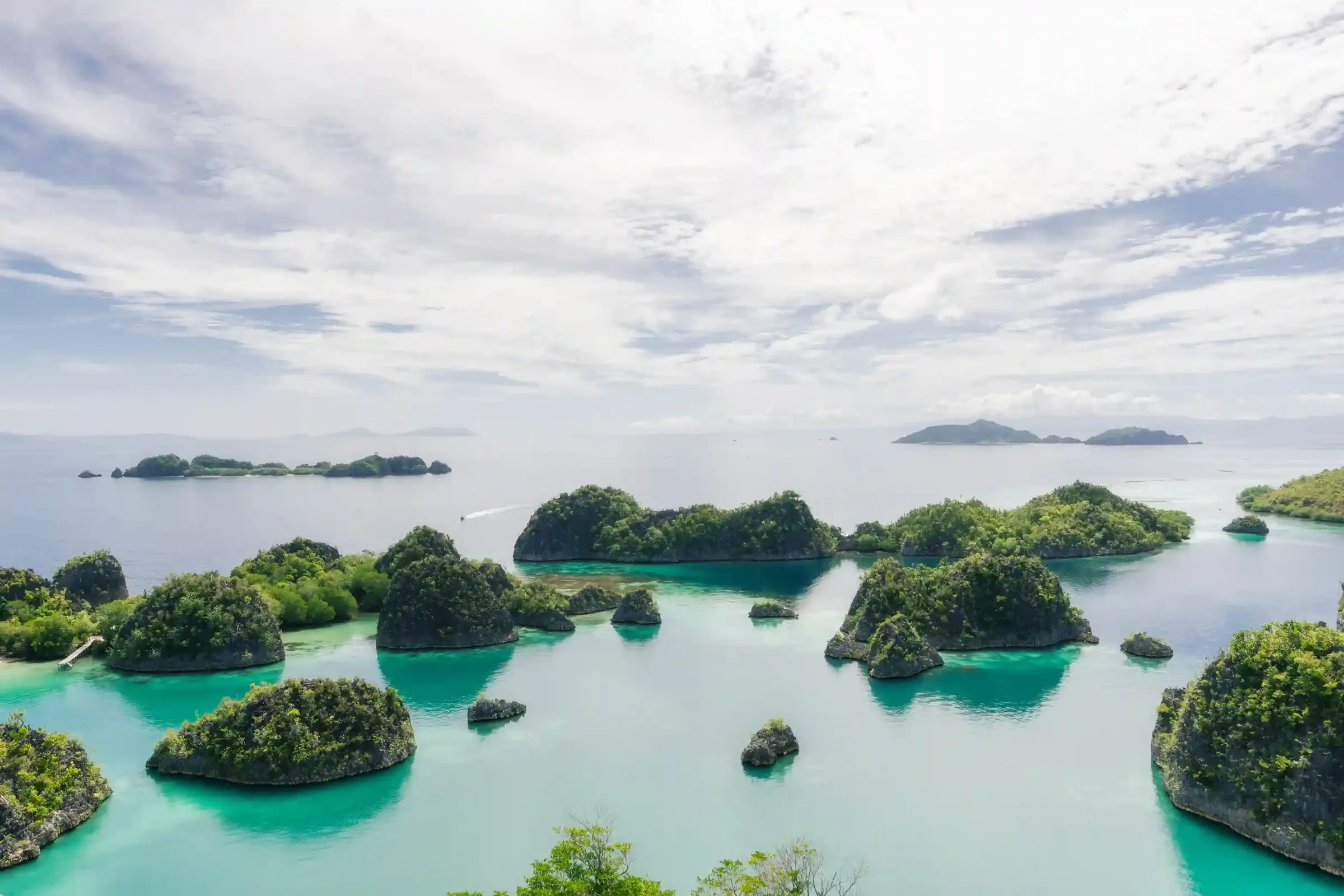
Crucially, November marks the beginning of Raja Ampat’s peak season. The southeast monsoon winds subside, giving way to calmer seas and magnificent visibility. This is when the region truly shines, revealing its unparalleled biodiversity. Water temperatures are a consistent 28-30°C, and visibility can reach an astounding 30 meters or more. Liveaboards that had migrated south now return, offering a full range of itineraries exploring the Dampier Strait, Misool, and Wayag. Booking a luxury liveaboard for Raja Ampat during November and December requires significant foresight, often 9-12 months in advance, as these are considered the most coveted slots. Pricing for a top-tier vessel can start from $2,000 per person per night. The chance to witness walking sharks, endemic to Raja Ampat, or to drift through schools of barracuda and trevally, makes this period truly special. The transition of seasons across these three destinations aligns beautifully in November, presenting a rare window of opportunity for an all-encompassing luxury expedition.

December to February: Raja Ampat’s Zenith & Southern Rains

December ushers in a distinct seasonal split across Indonesia, where Raja Ampat reaches its absolute zenith, while Bali and Komodo embrace their wet seasons. For those prioritizing Raja Ampat’s unparalleled marine encounters, this period is non-negotiable. The seas around Raja Ampat are at their calmest, with minimal wind and virtually no rain. Visibility underwater is often at its peak, frequently exceeding 30 meters, making it ideal for capturing stunning underwater photography and experiencing the full grandeur of its coral gardens. The water temperature remains a consistent 29-30°C, perfect for extended dives. This is the time when the sheer density and diversity of marine life are most accessible, from pygmy seahorses to majestic manta rays and schooling fish. Most luxury liveaboards are fully booked during these months, and securing a spot often requires booking 12-18 months in advance, reflecting the exclusivity of this experience. The remoteness of Raja Ampat means fewer crowds even in peak season, ensuring a more private and immersive exploration of its more than 1,500 islands, as highlighted by Wikipedia.

Bali’s Verdant Wet Season

In stark contrast, Bali experiences its heaviest rainfall during December, January, and February. Daily showers, often intense but typically brief, characterize this period. Average monthly rainfall can reach 350mm in January. While sunny spells still occur, they are interspersed with cloudier days and higher humidity. This translates to lush, vibrant landscapes, particularly in central Bali, where the rice paddies shimmer with emerald hues. Crowds thin out considerably after the Christmas and New Year holiday rush, offering a more tranquil Bali experience. Luxury resorts often provide significant discounts, sometimes 20-30% off peak season rates, making it an attractive option for those seeking value and serenity. Spa treatments, cooking classes, and cultural workshops thrive indoors, and the occasional downpour simply adds to the island’s mystical ambiance. Surfing conditions on the east coast can be excellent due to prevailing westerly winds, while the west coast becomes less favorable.

Komodo’s Challenging Conditions

Komodo National Park during these months faces its wet season, bringing heavier rainfall and, more critically for marine activities, stronger winds and rougher seas. The increased swell can make boat transfers uncomfortable and limit access to some dive sites. Visibility underwater can also be reduced due to sediment runoff. While Komodo dragons are still present, they may be less active in the rain. Most luxury liveaboard operators in Komodo either cease operations or relocate to Raja Ampat for its prime season. Land-based tours are still possible but require flexibility. If Komodo is a non-negotiable part of your itinerary, visiting during this period would compromise the optimal experience, especially for diving. Flights to Labuan Bajo may also face more delays due to weather. For an unparalleled Indonesia luxury tour, we typically advise against combining Komodo with Raja Ampat during this specific window if Komodo’s marine life is a primary focus.

March to April: A Southern Resurgence & Raja Ampat’s Finale

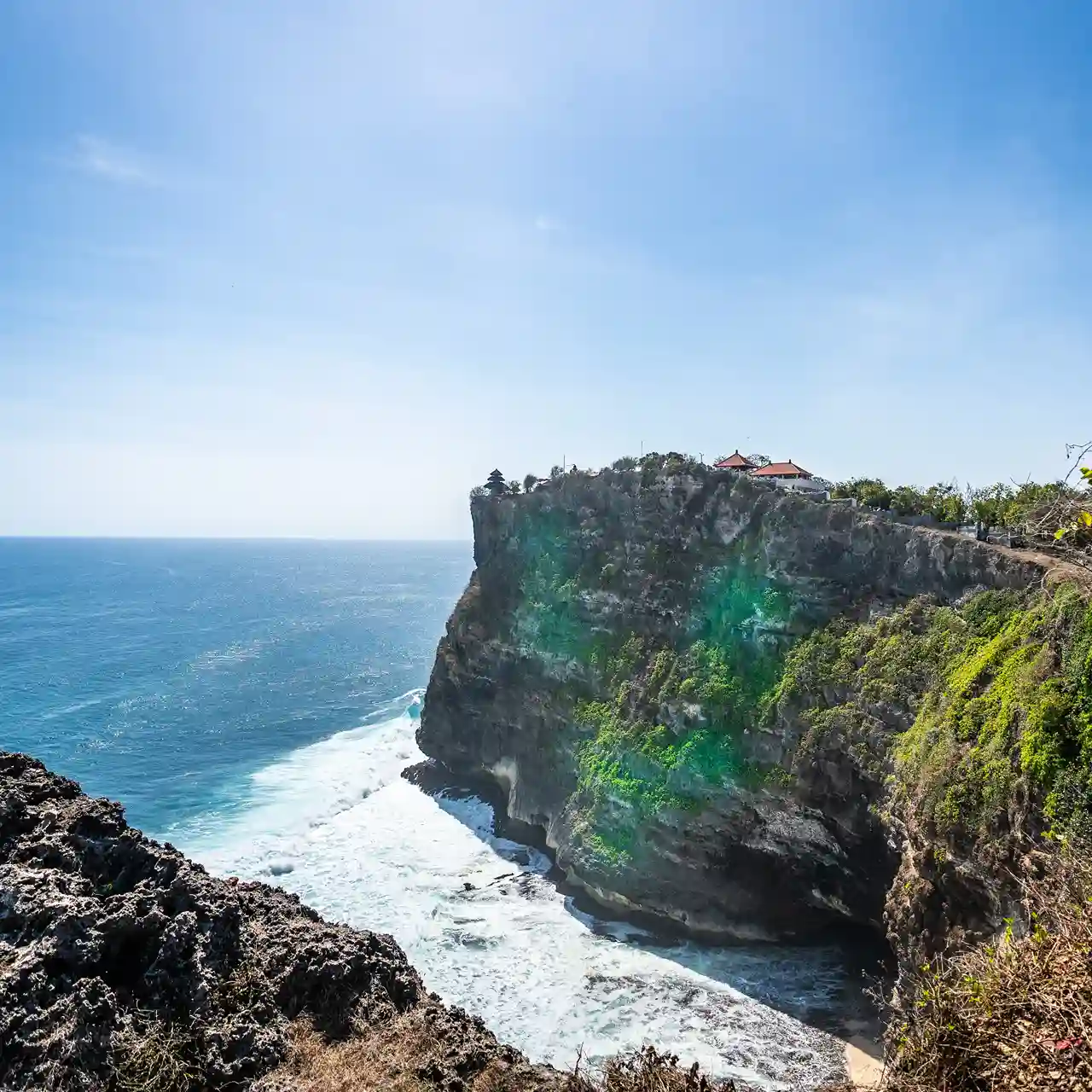
As March unfolds, a sense of renewal sweeps across Bali and Komodo. The intensity of the wet season begins to wane, giving way to longer dry spells and increasing sunshine. Bali’s landscapes are at their most verdant, bursting with life after months of rain. Humidity levels start to drop, and temperatures average a pleasant 29°C. This shoulder season offers an excellent balance: fewer crowds than the peak dry season, more favorable pricing (often 10-15% below peak rates), and a lush, vibrant environment. It’s an ideal time for cultural immersion, exploring ancient temples like Tanah Lot at sunset without the throngs, or discovering hidden waterfalls in Ubud. The transition is palpable, promising a return to the idyllic conditions Bali is renowned for, making it a compelling time for a bali komodo raja ampat tour if you can align the other destinations.

Komodo’s Awakening

Komodo National Park also begins its resurgence in March and April. The rougher seas of the monsoon season calm considerably, and rainfall becomes less frequent. Visibility underwater steadily improves, making it increasingly attractive for diving and snorkeling. While not yet at its absolute peak, the conditions are very good, and you’ll encounter fewer liveaboards and day-trippers compared to the high dry season. This period offers a more exclusive feel for exploring the Komodo dragons and the vibrant marine ecosystems. Luxury liveaboards start to return to the region, and while availability is better than in peak season, advance booking (4-6 months) is still recommended, especially for Easter holidays. Water temperatures remain warm, around 28°C, and the chances of encountering manta rays and other pelagic species are high. The islands themselves, though still green from the rains, begin to dry out, making hiking more comfortable.

Raja Ampat’s Grand Farewell

Meanwhile, March and April mark the grand finale of Raja Ampat’s prime season. The superb conditions—calm seas, exceptional visibility (often 25-30+ meters), and consistent 29-30°C water temperatures—persist. This is still a phenomenal time for diving and exploring the archipelago’s unparalleled biodiversity. However, as April progresses, the winds gradually shift, signaling the approach of the southeast monsoon. By late April, some liveaboards begin their repositioning to other regions like Komodo. While excellent, booking remains competitive, with many travelers opting for this period to enjoy the last of the perfect conditions before the seasonal shift. For those seeking the ultimate Indonesian luxury travel experience that encompasses all three destinations, the window of late March to early April offers a unique opportunity to catch Raja Ampat at its best while Bali and Komodo emerge from their wet season, providing a balanced, albeit slightly more challenging, itinerary to optimize all three.

Crafting Your Bespoke Indonesia Journey

Understanding the intricate dance of Indonesia’s seasons is the first step in curating an extraordinary Bali Komodo Raja Ampat tour. While a perfect alignment for all three destinations simultaneously is a rare jewel, the shoulder months of October-November and late March-April offer the most compelling balance. October-November allows you to experience Komodo’s dry season brilliance and Raja Ampat’s ascending peak, with Bali transitioning into its quieter, greener phase. Conversely, late March-April catches Raja Ampat’s stunning finale while Bali and Komodo awaken from their wet season, offering lush landscapes and improving marine conditions. For those prioritizing Raja Ampat above all else, December to February is your window, accepting that Bali and Komodo will be rainier but still offer unique charms.

At Condé Nast Traveler, we don’t just book trips; we meticulously design expeditions. We consider every facet: the whisper of the wind, the clarity of the water, the rhythm of local life, and the exclusivity of your experience. Our network of luxury liveaboard operators, private villa hosts, and expert local guides ensures that no matter your chosen season, your journey is seamless, sophisticated, and deeply enriching. A luxury yacht charter can traverse these regions, offering unparalleled comfort and flexibility, with prices for private charters beginning at $10,000 per day. From bespoke diving excursions to private cultural ceremonies in Bali, your adventure is tailored to your desires. Let us transform the complexities of seasonal travel into the effortless elegance of your next grand Indonesian escape.

Ready to chart your course through the world’s most captivating archipelago? Connect with our expert travel designers to begin crafting your unparalleled Bali Komodo Raja Ampat tour. Your extraordinary adventure awaits.

Trusted Travel Authority

PADI Five Star Affiliated OperatorsUNESCO Biosphere Conservation PartnerReef Check Indonesia Coalition Member20+ Years Combined Editorial Experience
Bali Komodo Raja Ampat Tour: talk to a senior travel specialist now.
EmailWhatsAppGet a Quote
💬